The Importance of Choosing the Right Materials for Swimming Pools
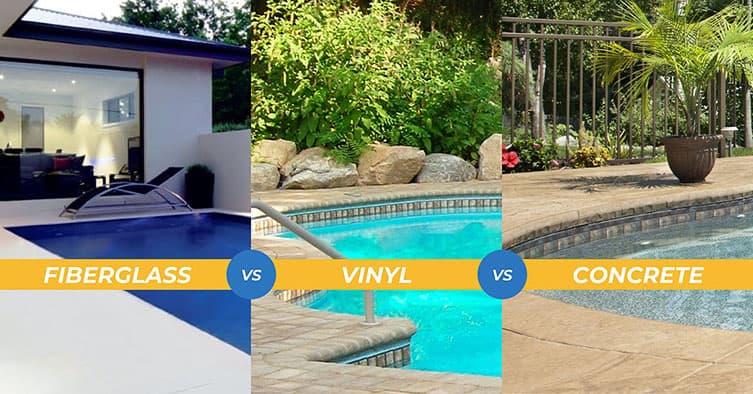
When planning to build a swimming pool in your home, selecting the appropriate materials is one of the most critical steps to ensure the pool's quality and beauty in the long term. The materials used in constructing a swimming pool significantly impact its durability, maintenance, and cost-efficiency. In this article, we will explore the importance of choosing the right materials for swimming pools and the differences between common materials.
1. Durability and Longevity:
Durability is a key factor when selecting pool materials. High-quality materials ensure that your pool lasts for many years without the need for frequent repairs. For example:
- Concrete: Known for its durability, concrete offers complete design freedom. It can be molded into any shape and size, making it a popular choice.
- Fiberglass: Provides high durability and resistance to cracks, requiring less maintenance compared to concrete.
- Vinyl: Less durable than concrete and fiberglass but offers an economical solution.
2. Maintenance Costs:
Maintenance costs are a crucial factor when choosing materials. Some materials require expensive periodic maintenance, while others need less. For example:
- Concrete: May require periodic maintenance to address cracks and repaint the surface.
- Fiberglass: Needs less maintenance as it is resistant to stains and cracks.
- Vinyl: The liner needs to be replaced every 5-10 years, which can be costly in the long run.
3. Aesthetics and Design:
Different materials offer various aesthetic options. The selected materials should match the overall design of your home and the available space.
- Concrete: Allows for custom and varied designs, enabling the addition of features like waterfalls and integrated lights.
- Fiberglass: Comes in pre-made shapes with limited options but offers a sleek and smooth appearance.
- Vinyl: Provides flexible designs and can be easily changed when you want to refresh the look.
4. Environmental Resistance:
The selected materials should withstand the surrounding environmental conditions.
- Concrete: Resistant to weather and heat but may be affected by significant temperature changes.
- Fiberglass: Highly resistant to environmental factors such as humidity and UV rays.
- Vinyl: Less affected by environmental factors, but its liner may be damaged by UV rays over time.
Conclusion:
Choosing the right materials for swimming pools is not just an aesthetic decision but a long-term investment in the pool's quality, ease of maintenance, and future costs. Concrete, fiberglass, and vinyl each have their advantages and disadvantages, and the material should be chosen based on your needs, budget, and surrounding environment. By consulting with design and construction experts, you can ensure the optimal material choice for a beautiful and lasting pool that meets your expectations.
Comments
Share
0 comments
Based on this article