Swimming Pool Maintenance Steps
Swimming Pool Maintenance Steps: A Comprehensive Guide to Keeping Water Clean and Safe
Pool maintenance is not just a periodic task—it is an essential step to ensure clean and safe water and provide a pleasant swimming experience for all. The maintenance process may seem complicated at first, but it becomes manageable and effective when you follow clear and organized steps. This guide outlines the necessary steps to maintain swimming pools and ensure their long-term beauty and safety.
Clean the Water Surface Regularly
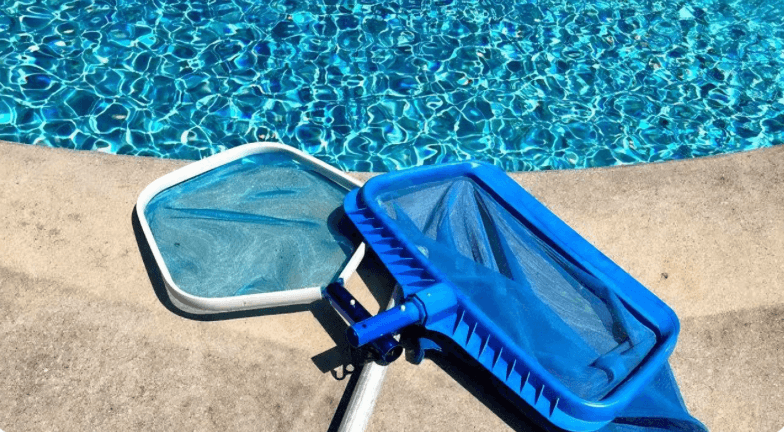
1. Remove leaves and impurities: Use a dedicated net to clean the water surface daily, removing leaves, insects, and other debris.
2. -Eliminate oils and fats: An oily layer may form on the water's surface due to sunscreen and skin products. Use specialized cleansers to remove it effectively. =
3. Clean the Walls and Bottom of the Pool
Wall cleaning: Use a dedicated brush to remove algae and dirt from the pool walls.
-Vacuum the bottom: Clean the bottom of the pool with a vacuum to remove sediment and sand.
4. Check and Maintain Water Levels
- Ensure the water level is appropriate, typically covering the middle of the drainage hole.
- If the water level drops, add the necessary amount, and check the chemical balance afterward.
5. Check the Water’s Chemical Balance
- pH level test: Ensure the pH is between 7.2 and 7.6 to maintain comfort and safety.
- Chlorine level: Maintain a chlorine level between 1 and 3 ppm to disinfect the water.
6. Operate the Filtration System Regularly
- Run the filtration system for 8–12 hours daily to ensure water circulation and purification.
- Clean filters weekly to remove dirt and prevent clogging, especially during periods of heavy pool use.
7. Add Necessary Chemicals
- Chlorine: Add regularly to disinfect the water.
- Algaecide: Use to prevent algal blooms and keep the water clear.
- Adjust pH levels: Use appropriate products to correct pH if it falls outside the ideal range.
Always follow the instructions on chemical packaging to avoid overuse.
8. Seasonal Maintenance
- Summer: Increase the frequency of cleaning and chlorine application due to higher usage and temperatures.
- Winter: If the pool will not be used, cover it with a protective cover and perform a thorough cleaning before closing.
9. Address Emergency Issues
- Cloudy water: Use water clarifiers to restore clarity.
- Unpleasant odors: Check chlorine levels and ensure the filtration system is functioning properly.
- Algae presence: Apply algaecide and scrub the walls to remove algae buildup.
Conclusion
Regular pool maintenance prevents costly repairs and keeps the water clean and clear. By following these simple steps, you can ensure a safe and enjoyable swimming experience for all pool users.
Remember, maintenance is not just an option—it’s an investment in the long-term beauty and safety of your pool
Comments
Share
0 comments
Based on this article